Silent Hill 2 isn't about monsters: it's about guilt
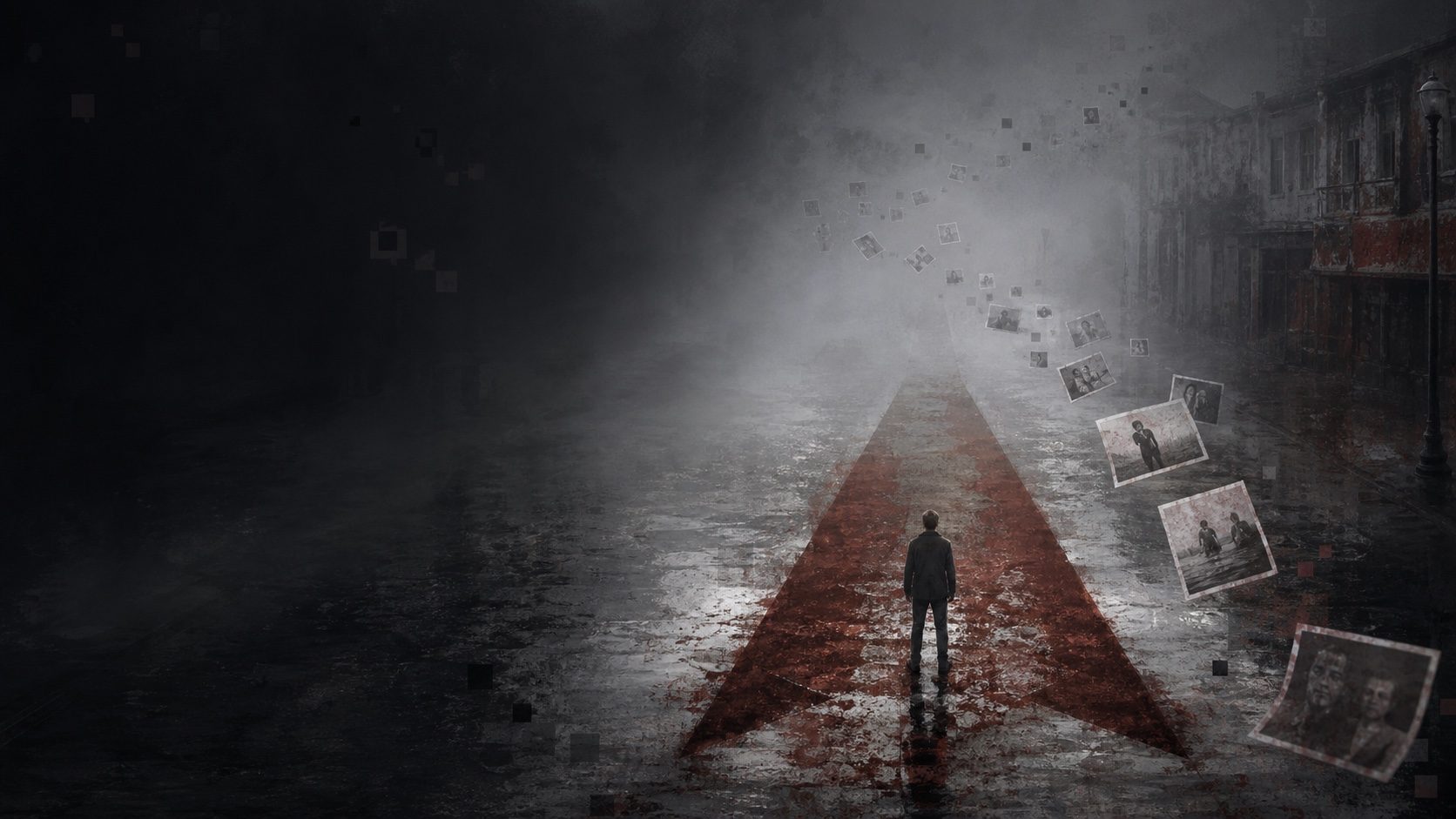
A man gets a letter from his wife. Nothing strange about that, except his wife died years ago. The letter calls him to Silent Hill, the town where the two of them were once happy. James Sunderland packs a bag and goes. And this is where a lot of people make the mistake of thinking they're about to play a monster game. The monsters are there, sure. But they're the least important thing about it.
The town is a projection of the mind
Notice that Silent Hill isn't a normal town with a supernatural problem. It's a town that responds to whoever enters it. The fog that hides everything, the corridors that fold in on themselves, the monsters shaped like something repressed, none of it is random. Silent Hill works like a screen onto which the visitor's mind is projected outward. What James finds in the town is what he carries inside. And what he carries is guilt.
The return of the repressed
James spends the whole game looking for Mary, his wife, as if she might be alive somewhere. Except his mind is pulling a trick Freud described with precision in Repression (1915) and in Das Unheimliche itself: the return of the repressed. What we push down hard into the depths, because it's too unbearable to remember, doesn't disappear. It comes back disguised, distorted, monstrous. Every creature in the town is a piece of what James doesn't want to know. The truth he repressed (and that the game reveals at the end) is that Mary didn't simply die of her illness: it was James who hastened her end, worn down by years of suffering, in a gesture of love and hatred mixed together that he can't bring himself to look at head-on. The whole town is the buried memory coming back to collect.
Pyramid Head: the executioner you hire yourself
And then there's the game's most famous figure, the one with the pyramid helmet and the giant blade. Pyramid Head doesn't hunt James by chance. He is the executioner, self-punishment made flesh. In the language of psychoanalysis, he's the superego in its cruelest form: the inner agency that judges, condemns and demands payment. James invents (without knowing it) his own tormentor because, deep down, he believes he deserves to be punished. The game's horror doesn't come from the monster out there. It comes from realizing that you're the one who summoned it.
Maria, or the desire that doesn't want the truth
Along the way, James meets Maria, like Mary, but provocative, alive, available, everything his sick wife couldn't be. Maria is desire trying to negotiate with guilt: an idealized version that offers James a more comfortable ending, one where he doesn't have to face what he did. She's the fantasy we build so we don't have to look at the real. And, like every fantasy of that kind, she charges dearly and doesn't hold up.
The strange that is far too familiar
There's a reason Silent Hill 2 gives you that specific chill, different from a cheap jump scare. Freud has a concept for it: the Unheimlich, the "uncanny" (Das Unheimliche, 1919). It's the unease of finding, in what should be familiar and cozy, something disturbingly wrong. The home becomes a threat, the wife becomes a monster, love becomes a crime. The game is one long lesson in this concept: it takes the most intimate things, marriage, mourning, the good memory, and makes them haunting. It scares you because it's too close.
The endings are positions toward one's own guilt
And that's why Silent Hill 2 has several endings that depend on how you played, not on a choice in a menu. They are subjective positions toward guilt: there's the James who surrenders to death, the one who carries on inside a fantasy, the one who might manage to work through the loss and go on living. The game doesn't hand you the right answer, it hands the question back to you. What do we do with what we've done and can't undo? It's that question, and not the monsters, that keeps Silent Hill 2 haunting us more than twenty years on.
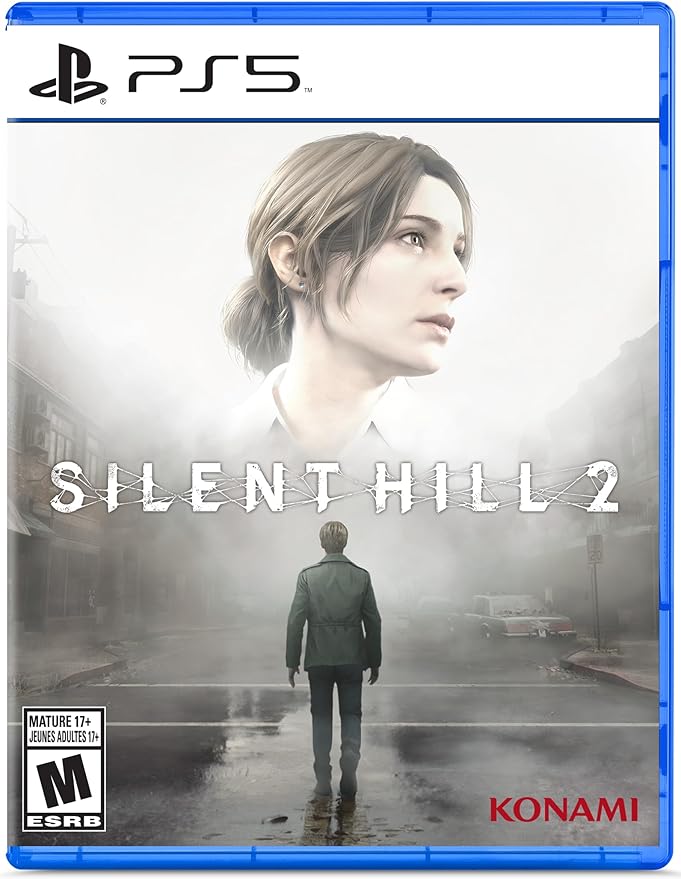
Interested in Silent Hill 2? Grab it here and help the channel grow. 🎮
See Silent Hill 2 on Amazon Affiliate links. As an Amazon Associate, this site earns from qualifying purchases, at no extra cost to you.Related
The Last of Us Part II: why the story falls apart Death Stranding: a world without the Name-of-the-FatherReferences
Freud, S. Repression (1915), the return of the repressed; and the superego. · Freud, S. The Uncanny (Das Unheimliche, 1919).
Comments
What did you think of this piece? Agree, disagree, have another reading of the game? Drop a comment below, I read them all and love keeping the conversation going. 👇