Collecting or disorder? When hoarding games becomes a problem
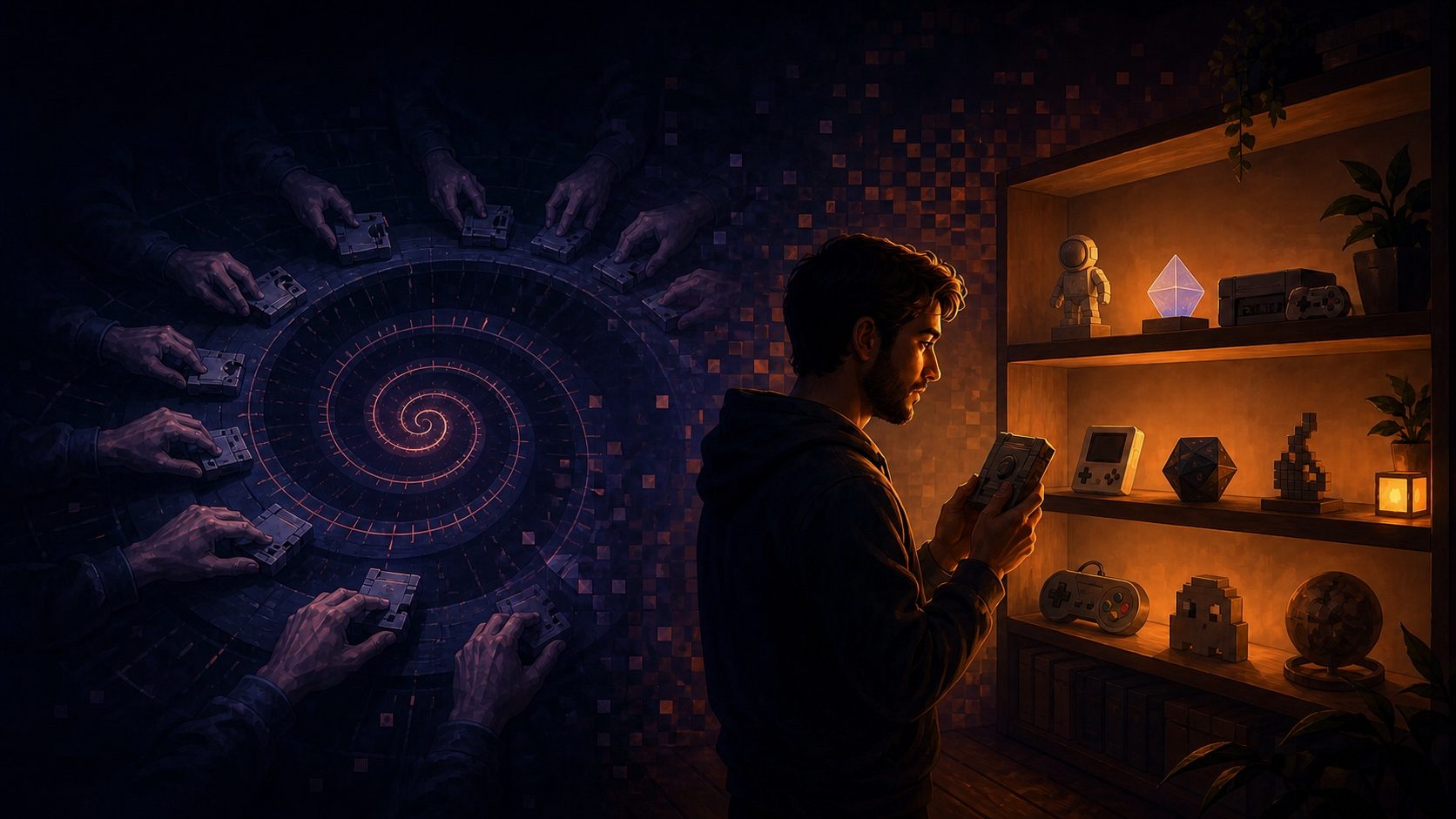
The shelf with the cartridges lined up, the sealed boxes, the collector's edition you hunted for months, collecting games is one of the most legitimate pleasures of the hobby. But every so often the nervous joke pops up: "is this already an illness?" As a psychiatrist, I find the question far too good to leave at the level of a joke. There is, in fact, a line between the collection that enriches a life and the accumulation that smothers it, and it's worth knowing where it falls, without alarmism and without stigma.
Collecting is healthy, and human
Let's start with the obvious that sometimes gets forgotten: collecting is a healthy and ancient activity. Selecting, organizing, caring for, completing sets, telling the story of each piece, all of it brings pleasure, meaning, identity and even social bonds (the collector community). A collection can be a beautiful extension of who a person is. In the vast majority of cases, there is nothing pathological about it. The typical collector has control: they choose, prioritize, know when to stop, and the collection coexists comfortably with the rest of their life.
When it borders on OCD
Obsessive-Compulsive Disorder (OCD) is another matter. It's defined by obsessions, intrusive, unwanted thoughts that generate anxiety, and compulsions, repetitive acts performed to relieve that anxiety. The key difference from collecting is the engine: the collector gathers out of pleasure and value; in the obsessive-compulsive dynamic, the person organizes, checks or acquires in order to relieve a discomfort, not to enjoy. If having everything perfectly lined up, sealed, in duplicate, stops being a matter of taste and becomes an anguished requirement, "I have to, or I'll feel awful", the axis has shifted. At that point it isn't the collection that gives pleasure; it's the anxiety calling the shots.
And when it's hoarding disorder
There's also a distinct, and important, picture: hoarding disorder. It was recognized as an independent diagnosis in the DSM-5, in 2013, previously it was seen as part of OCD or of personality traits. It's characterized by a persistent difficulty in discarding possessions, regardless of their actual value, by a perceived need to keep them, and by intense distress when parting with them. The result is an accumulation that congests spaces to the point of compromising their use, the home stops working as a home. Notice the difference: the collector selects and values; in hoarding, the person can't discard, and things pile up with no curation, often with shame and isolation.
The line that separates hobby from suffering
How do you know which side of it you're on? Psychiatry uses two criteria that apply to almost everything: distress and functional impairment. Ask yourself, honestly: does the collection bring you more joy or more anguish? Are you in control of it, or is it in control of you? Is it compromising your finances, your space, your relationships, your time? Does buying bring a short-lived relief followed by guilt? Do you hide how much you spend or how much you have? If the answers point to distress and impairment, and not to pleasure and meaning, it's worth looking more closely. Not to label yourself, but to take care of yourself.
No stigma, with care
Two things matter here, and they pull toward opposite extremes. The first: having a large collection, or even one that looks "excessive" to others, is not an illness at all, most passionate collectors are perfectly healthy, and pathologizing a hobby is unfair and cruel. The second: when there really is suffering, isolation or real impairment, it's a health matter like any other, treatable, and not a character flaw or a "lack of willpower." If you recognized yourself in the harder side of this text, or recognized someone you love, seeking out a mental health professional is a gesture of care, not of weakness. The shelf can go back to being a source of pride, not of weight.
To go beyond the collection and understand when the search for order and control stops being a matter of taste and turns into anxiety and suffering, this article is worth a read: When keeping everything in order turns into suffering: perfectionism, anxiety and the exhaustion of never getting there.
This is a sensitive subject. If it touched something personal in you, consider talking to a mental health professional you trust.
Into this kind of read, psychoanalysis and psychiatry mixed with games? On my Mercado Livre profile I leave picks for games that are worth the analysis. 😉
My picks (Mercado Livre) Affiliate links (Mercado Livre). This site may earn a commission on qualifying purchases, at no extra cost to you.Related
Why do we need to platinum? The psychoanalysis of 100% Full library, nothing to play: the desire to own and the boredom of havingReferences
American Psychiatric Association, DSM-5 (2013): hoarding disorder as a diagnosis independent of OCD. · The criteria of distress and functional impairment in the definition of a mental disorder.
Comments
What did you think of this piece? Agree, disagree, have another reading of the game? Drop a comment below, I read them all and love keeping the conversation going. 👇