
Death Stranding 2: the grief that can't be worked through
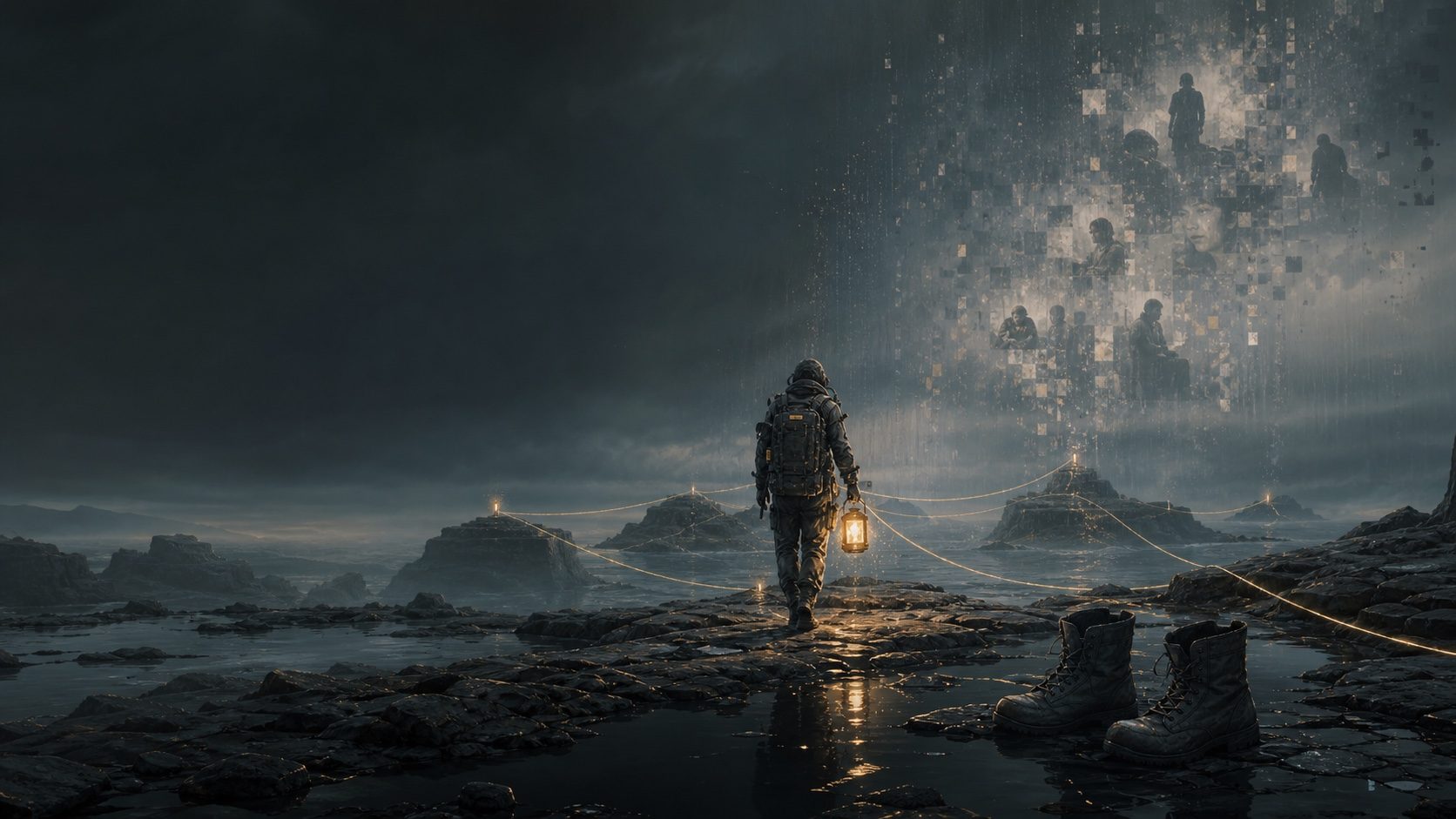
If the first Death Stranding was about rebuilding bonds, the second dives into a harder theme: grief in the wake of a traumatic event. It's a game that, in my reading as a psychiatrist, portrays with rare precision what happens when a loss finds no path to being worked through.
A devastating opening
Right from the start, we're struck by loss. Grief here doesn't show up only as sadness: it shows up as a rupture in the way you relate to the world. Sam loses not just the person he loved, but his very sense of existing. His trek across the devastated landscape is a metaphor for the inner emptiness that follows brutal losses.
When grief turns pathological
Normal grief involves sadness, longing, insomnia, changes in appetite, but also the possibility of rebuilding. What the game shows, and what you see in so many people in real life, is the moment when that grief turns pathological: it gets stuck, saturated with guilt, marked by flashbacks and despair. The narrative stages much of the lived experience of trauma: reliving the scene of the loss as if it were happening now, hypervigilance, constant fear, avoidance of the memories, and even the lacunar amnesia, those holes in memory around the most unbearable moment, something you see in the patient who has been through a traumatic event.
Depression and the line between holding on and giving up
The depression that follows a traumatic loss can run deep: lack of energy, loss of pleasure, a sense of worthlessness. At several points, Sam seems to be fighting against his own will to go on. The game flirts with the boundary between holding on and giving up, and it's worth remembering that, in real life, many people live this dilemma in silence. Recognizing the signs, in ourselves and in others, withdrawal, words of hopelessness, dropping activities, abrupt changes in behavior, can save lives.
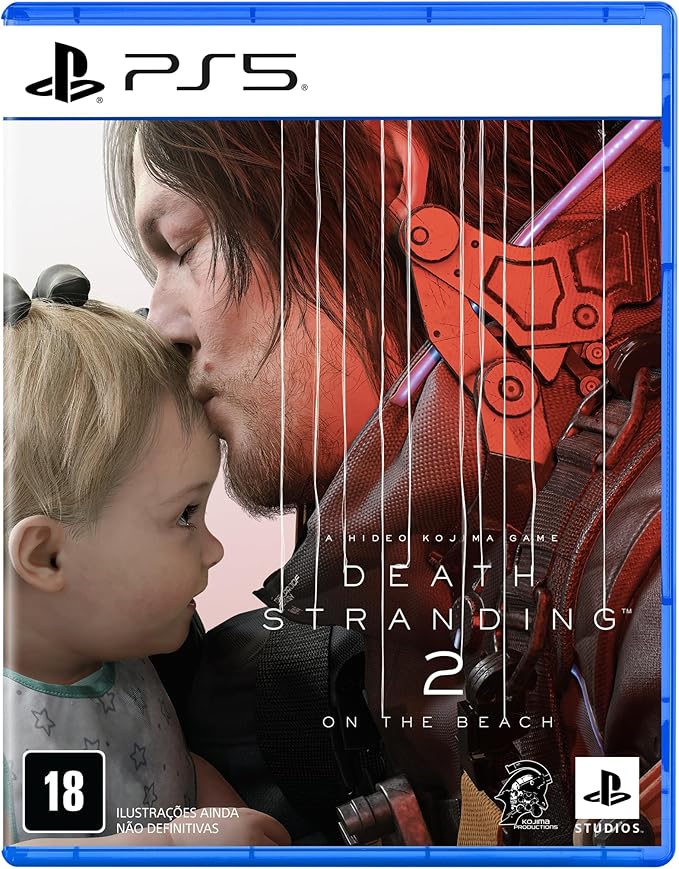
Interested in Death Stranding 2? Grab it here and help the channel grow. 🎮
See Death Stranding 2 Affiliate links. As an Amazon Associate, this site earns from qualifying purchases, at no extra cost to you.Melancholia: when the dead become part of you
Here psychoanalysis puts a name to what the game stages. Freud, in Mourning and Melancholia (1917), distinguishes the two: in mourning, the person gradually says goodbye to what was lost; in melancholia, they can't let go of the lost object and instead incorporate it, they begin to carry it inside. Freud has an exact image for it: "the shadow of the object fell upon the ego." The melancholic hasn't lost the person; they have swallowed them, and now accuse and punish themselves in that person's place. Sam living with the presence of the one who died, carrying it with him across the world, is precisely this in its purest form: the dead one didn't stay behind, it became part of him.
And there's a second movement, written into the very mechanics of the game. Against the pain that threatens to paralyze him, Sam does the only thing he can: he walks. Without stopping, hauling weight, crossing a continent. Melanie Klein would call this a manic defense, the flight into ceaseless activity, into movement and control, as a way of not sinking into depression. The walking in Death Stranding, so strange and hypnotic, is the playable translation of that defense: as long as the feet keep moving, the loss can't catch up.
When trauma touches psychosis
In extreme cases, trauma and intense grief can produce psychotic symptoms: hearing the voice of the one who died, feeling their presence, a denial of death so powerful that you start living as if the person were still there. The world of Death Stranding echoes this metaphorically, Sam living with the presence of the one he lost, as if they were still nearby. It's a narrative device, but one that reflects the clinical experience of those who inhabit the border between reality and hallucination after intense losses.
No one crosses this alone
When we look at Sam, we're not just playing: we come into contact with feelings many people carry, deep sadness, hopelessness, the urge to give up. And the game points to the essential thing: just as Sam has to connect in order to rebuild the world, we need bonds in order to rebuild a life. However real and overwhelming the pain may be, it doesn't have to be lived in solitude.
Related
Death Stranding: a world without the Name-of-the-Father The Last of Us Part II: why the story falls apart from withinReferences
Freud, S. Mourning and Melancholia (1917 [1915]), the incorporated object, "the shadow of the object upon the ego." · Klein, M., the manic defense. · The description of trauma and post-traumatic reactions follows contemporary psychiatric practice.
Comments
What did you think of this piece? Agree, disagree, have another reading of the game? Drop a comment below, I read them all and love keeping the conversation going. 👇