
Why the games we hype the most are the ones that disappoint us most
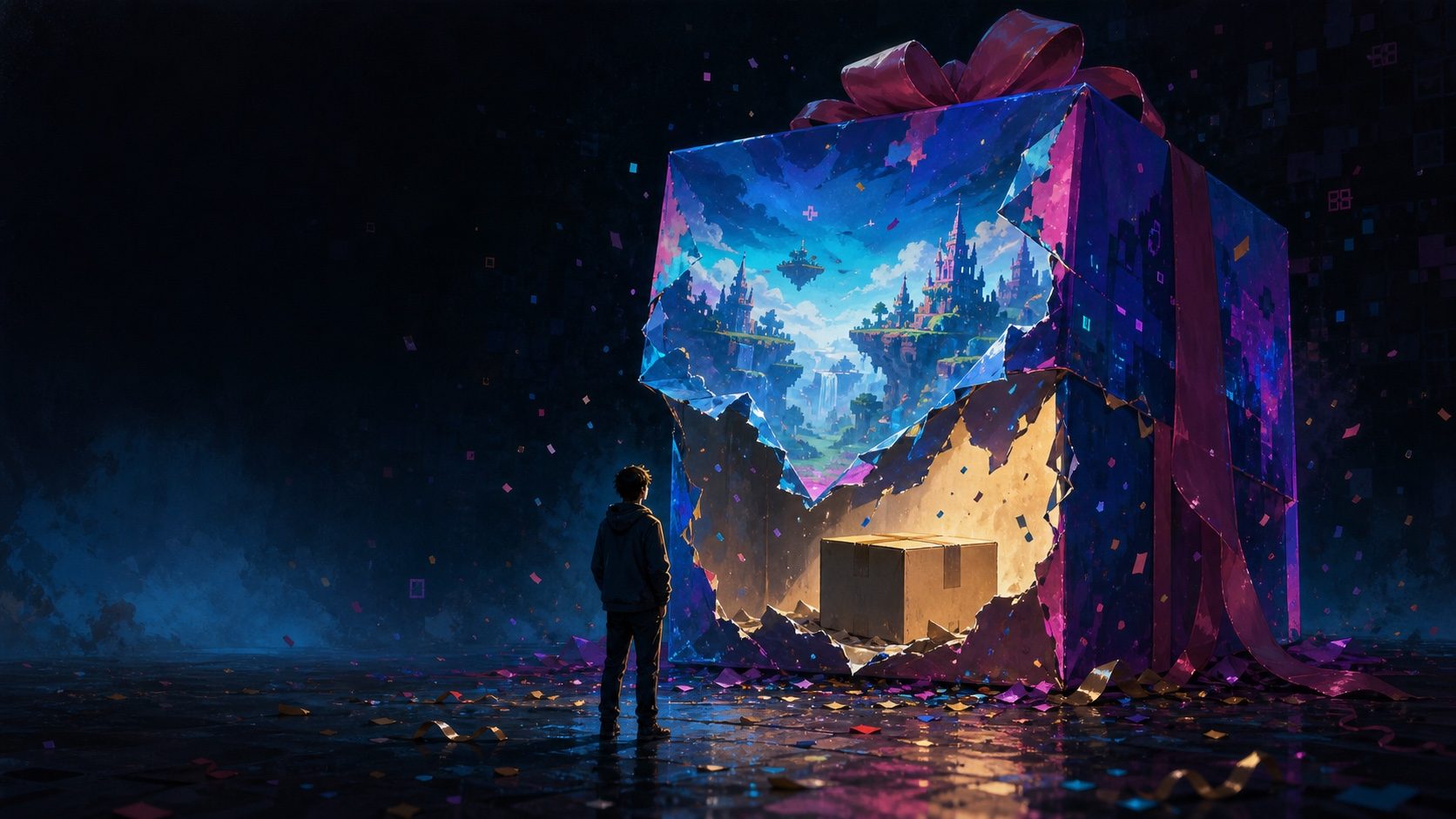
Notice a cruel pattern: the games that disappoint the most are rarely the mediocre ones nobody expected anything from. They're the big ones, the ones anticipated for years, the ones that "were going to change everything." The bigger the hype, the harder the fall. This isn't bad luck, and it isn't just overblown marketing, it's psychology, and it has to do with something we do constantly without noticing: idealizing.
Idealization: the perfect game that only exists in your head
Until the game comes out, it's flawless. No bugs, no boring stretches, no letdown, because it doesn't really exist yet; it exists only as fantasy. In that space of waiting, our mind does what psychoanalysis calls idealization: it fills the gaps of the unknown with every good thing we project onto it. Each trailer becomes fuel for a version of the game that is, in truth, made of you, of your desires, your memories of the games you loved. You aren't waiting for the game. You're waiting for the perfect image you built of it.
The fall: the real never matches the fantasy
Then the game comes out. And however good it is, it's one thing: real, limited, made of concrete choices that close off the thousand possibilities the fantasy kept open. The real object always disappoints the idealized object, because the idealized one had no limit, and reality is made of limits. The higher you raised the idealization, the harder the landing. Disappointment doesn't measure the quality of the game; it measures the distance between what you imagined and what actually arrived. Sometimes a great game "frustrates" simply for not being the impossible thing we dreamed of.
Mourning the game we imagined
There's even a small mourning in there, and it's worth naming. When the real game arrives, the idealized version, the one that lived only inside you, has to die. Part of the frustration is that farewell: not to the game that came, but to the game you invented, the one that could never have existed. It's the same mechanism as any big expectation in life: the trip, the relationship, the dream job. Fantasy is always smoother than the real, and growing up is, in large part, learning to make peace with that gap.
How to enjoy the game that actually arrived
The way out isn't "don't get your hopes up", that's impossible, and no fun. It's to notice, at the moment of disappointment, what's really happening: "am I frustrated with the game, or with the end of the fantasy I had of it?" When you separate the two, the real game gets a second chance, the chance to be judged for what it is, and not for failing to be the impossible. Plenty of "disappointing" games become favorites years later, once the hype fades and we finally meet the game that was there all along, free of the shadow of what it was supposed to have been.
Enjoy this kind of read, psychoanalysis mixed with games? Over on my Mercado Livre profile I leave picks of games worth analyzing. 😉
My picks (Mercado Livre) Affiliate links (Mercado Livre). This site may earn a commission on qualifying purchases, at no extra cost to you.Related
GTA 6 made $1 billion before it existed: FOMO PlayStation is killing the disc, and the illusion that the game is yoursReferences
Freud, S., idealization and its relation to the ego-ideal (On Narcissism, 1914). · The contrast between the idealized object and the real object in psychoanalytic theory.
Comments
What did you think of this piece? Agree, disagree, have another reading of the game? Drop a comment below, I read them all and love keeping the conversation going. 👇