
Resident Evil and the abject: why the zombie terrifies
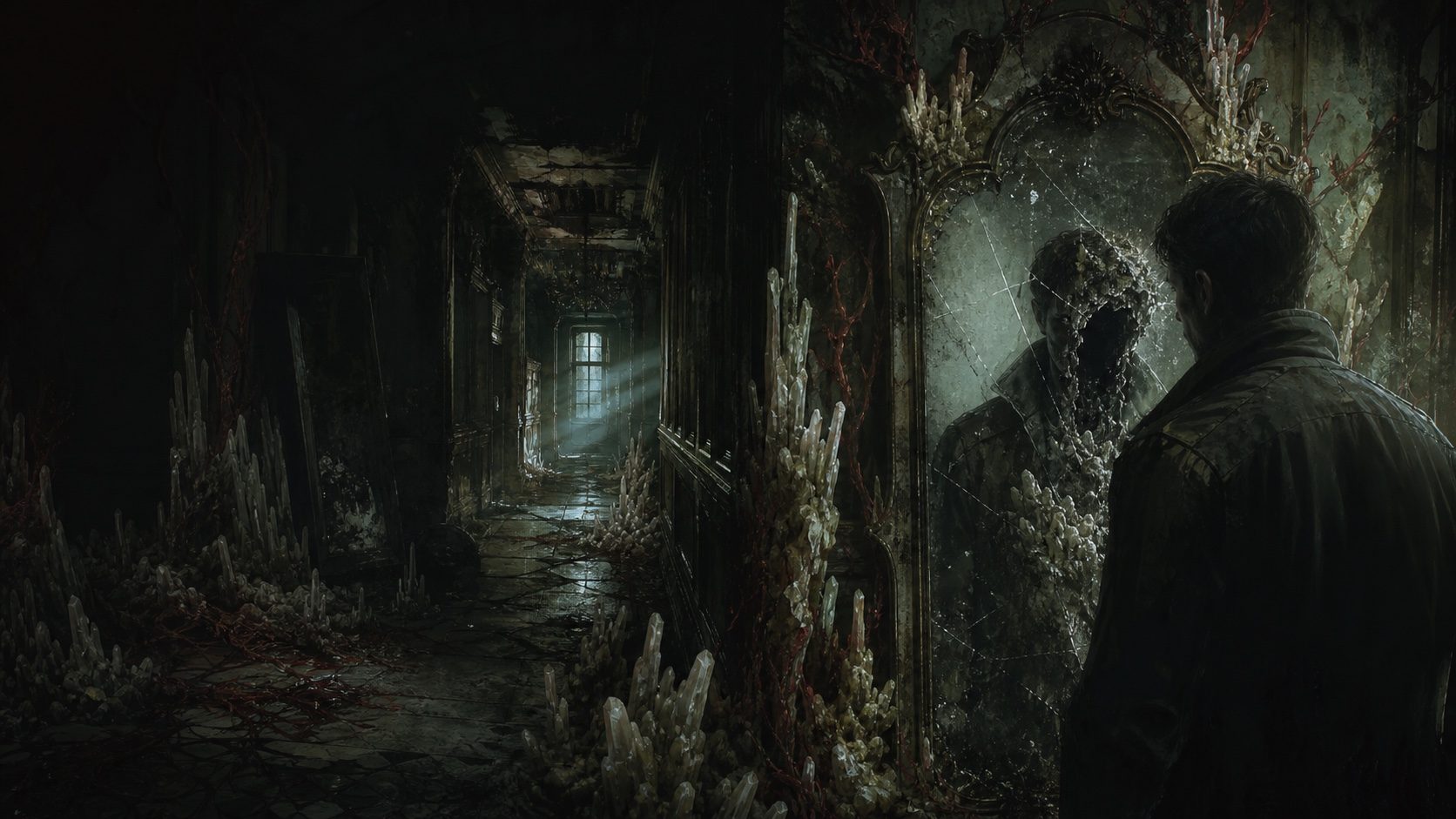
Think about it: the zombie in Resident Evil is slow, dumb, and frail. Rationally, it shouldn't scare us this much. And yet that first zombie turning its head in the mansion hallway is one of the most iconic jump scares in games. Why? Because its terror doesn't come from physical threat. It comes from its being something our mind can't classify: a body that should be dead and insists on moving.
The abject: neither alive nor dead
Psychoanalysis has a name for this. Julia Kristeva called it the abject: that which horrifies us not because it's dangerous, but because it scrambles the boundaries, the corpse, the fluids, the rotting flesh, everything that blurs the line between the "I" and the "not-I," between life and death. The abject isn't an object we fear; it's the collapse of the categories that organize us. The zombie is the perfect abject: it's death that walks, the human turned to thing, the familiar (a face, a body) made unrecognizable. Our dread before it is the dread of the boundary coming undone.
The house that becomes a trap
It's no accident that everything begins in a mansion, a home. Freud described the unheimlich, the uncanny, as the unease of encountering something disturbing precisely in what should be familiar and safe (the same concept I unpacked in the analysis of Silent Hill 2). Resident Evil takes the most welcoming space there is, the house, with its rooms, hallways, portraits, and turns it into a death machine. Coziness becomes threat. That's why classic survival horror grips you: it contaminates the familiar. You're never safe, not even in what looked like shelter.
The fear of ceasing to be you
And there's an even deeper terror in Resident Evil: infection. The virus doesn't just kill you, it transforms you. To be bitten isn't to die; it's worse, it's to lose yourself, to become the very thing you most fear, with no consciousness, no will, no "I." That's a profoundly psychic fear: the dissolution of subjectivity, the anguish that the boundary of your own self might be invaded and erased. The zombie doesn't just threaten your life; it threatens your identity. It says: you could become this.
The death drive dressed as survival
The whole survival horror genre is a dance with death. The scarcity of ammo and healing, the constant tension, the sense that the end is always one corner away, all of it keeps you the whole time on the edge between living and dying. Freud would speak of the death drive prowling beneath the impulse to survive. And, paradoxically, that's what we seek in the game: to flirt with terror in a safe place, to look death in the face knowing we can pause. Controlled fear is a strange pleasure, the chance to master, controller in hand, an anguish that in real life is unmasterable.
Why we keep coming back
Resident Evil lasts for decades because it doesn't sell monsters; it sells the confrontation with what disturbs us most, death, decomposition, the loss of self, inside a frame we can close whenever we want. Every time you survive the mansion, you've symbolically defeated the abject: you faced the body that shouldn't walk and came out whole. It's catharsis with the controller in hand. And that's why, even trembling, we hit "continue."

Interested in Resident Evil? Grab it here and help the channel grow. 🎮
Resident Evil Requiem Resident Evil 4 Resident Evil 3 Affiliate links. As an Amazon Associate, this site earns from qualifying purchases, at no extra cost to you.Related
Silent Hill 2 isn't about monsters: it's about guilt Hellblade: what psychosis looks like from the insideReferences
Kristeva, J. Powers of Horror (1980), the concept of the abject. · Freud, S. The Uncanny (Das Unheimliche, 1919) and the death drive.
Comments
What did you think of this piece? Agree, disagree, have another reading of the game? Drop a comment below, I read them all and love keeping the conversation going. 👇